

Container-Free Reaction System
Container surface adsorption loss remains a major limitation in low-input proteomics and trace bioanalysis, even when protein low-binding tubes are used. Acoustic levitation provides a promising route to eliminate solid-surface contact, but its broader analytical use has been limited by the lack of simple contactless reagent addition method and by insufficient long-term stability for conventional biochemical reaction timeframes.
We have developed acoustic pressure guided coalescence method that enables contact-free reagent addition and 12 hour stable levitation. This allows us to explore new aspects in analytical chemistry and chemical reactions.
We have developed acoustic pressure guided coalescence method that enables contact-free reagent addition and 12 hour stable levitation. This allows us to explore new aspects in analytical chemistry and chemical reactions.
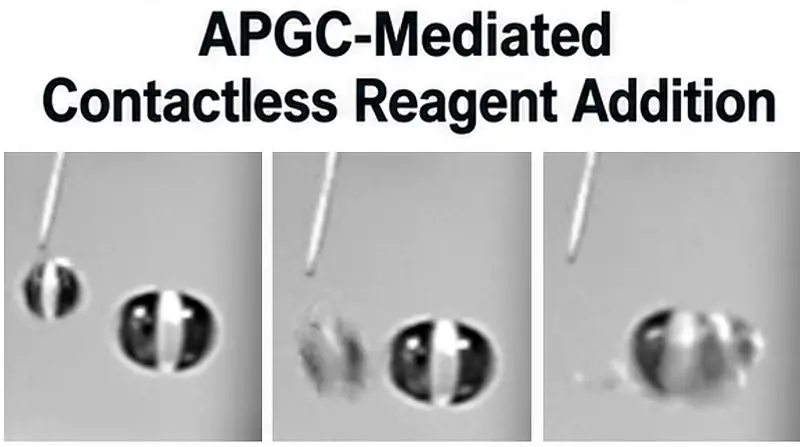
Acoustic Pressure Guided Calescence Process
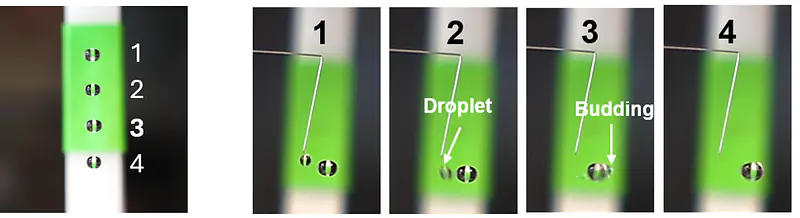
APGC process
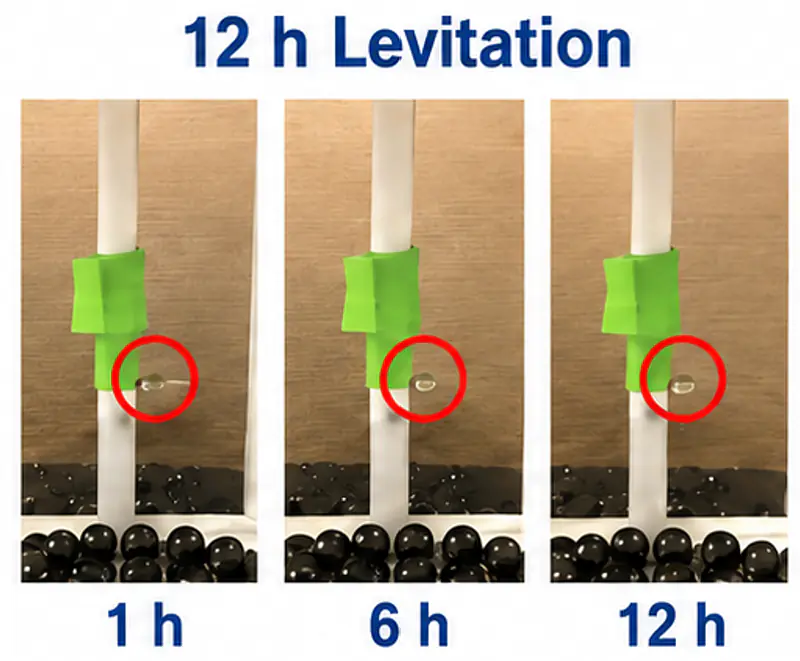
APGC-mediated 12 hour incubtation
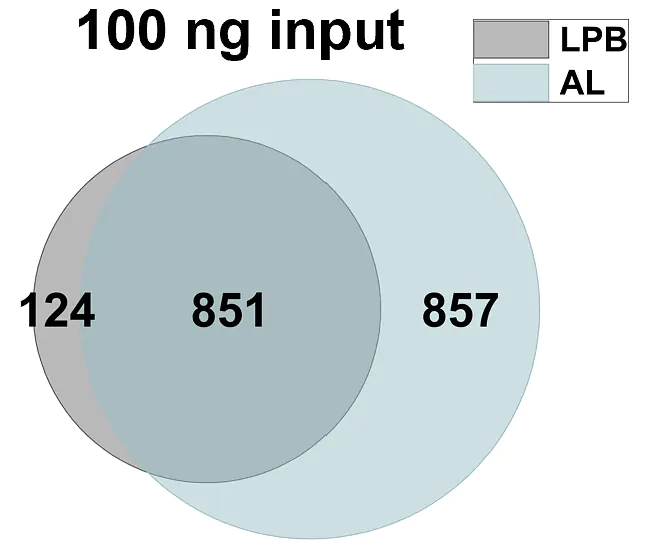
Proteomics identification container-free (AL) vs Container-based (LPB) 8 hour trypsin digestion
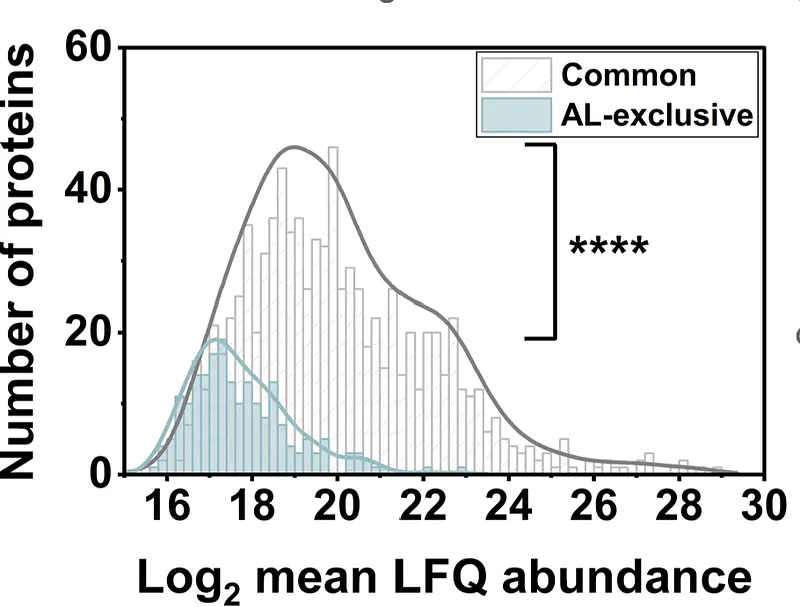
Proteomics lable-free quantfication via container-free (AL) vs Container-based (LPB) 8 hour trypsin digestion.
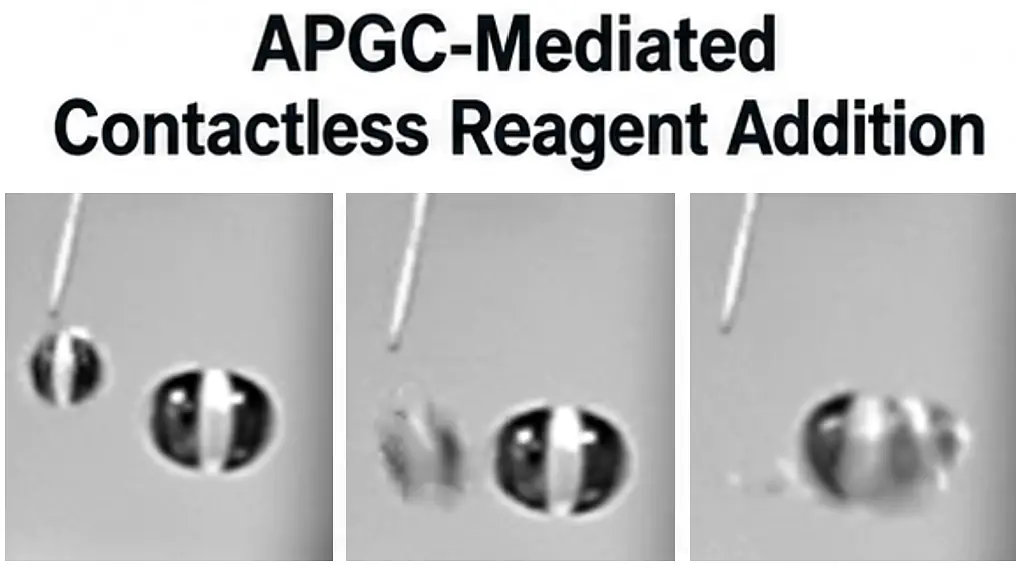
Acoustic Pressure Guided Calescence Process
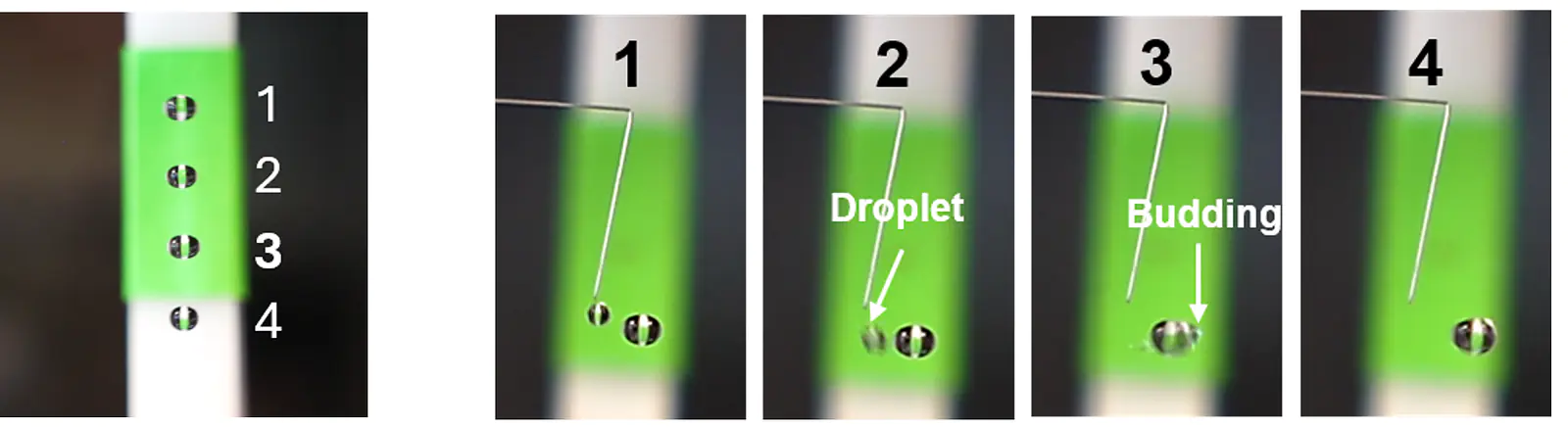
APGC process
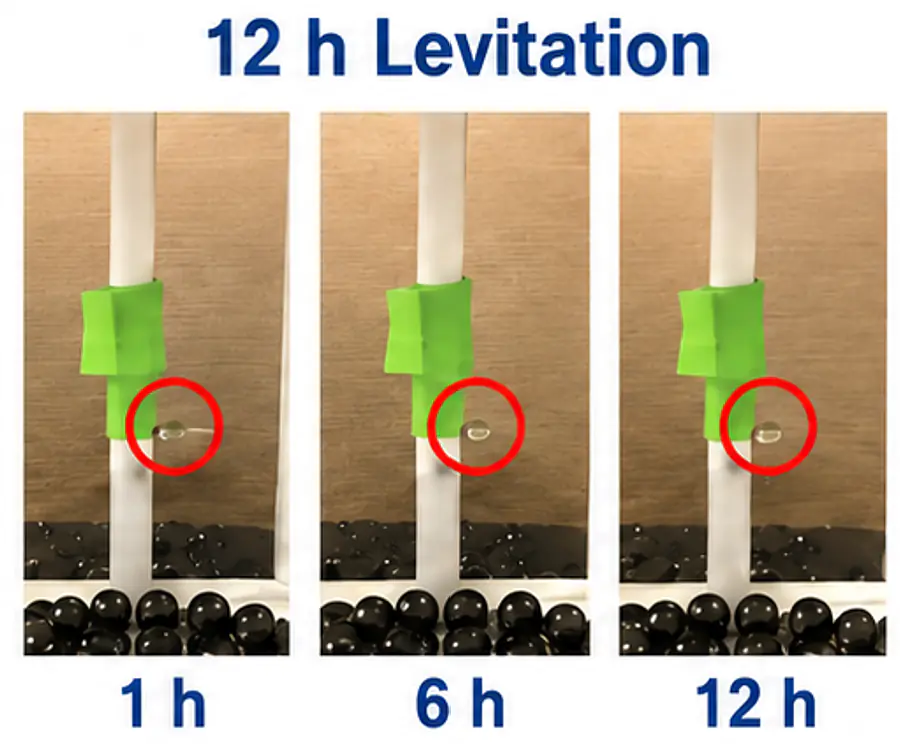
APGC-mediated 12 hour incubtation
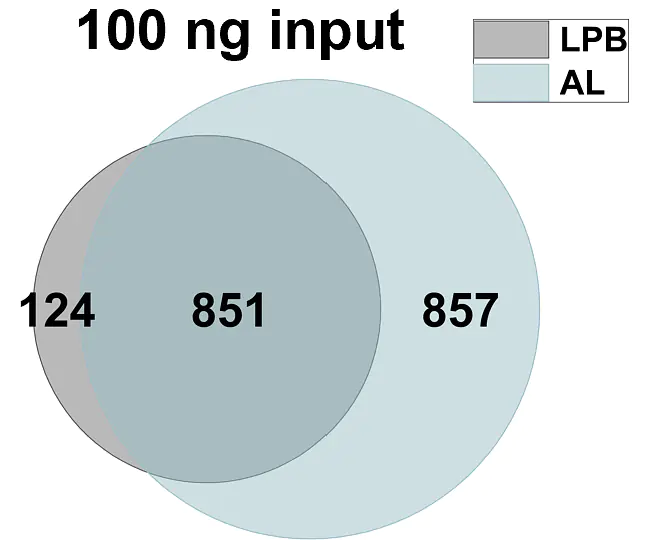
Proteomics identification container-free (AL) vs Container-based (LPB) 8 hour trypsin digestion
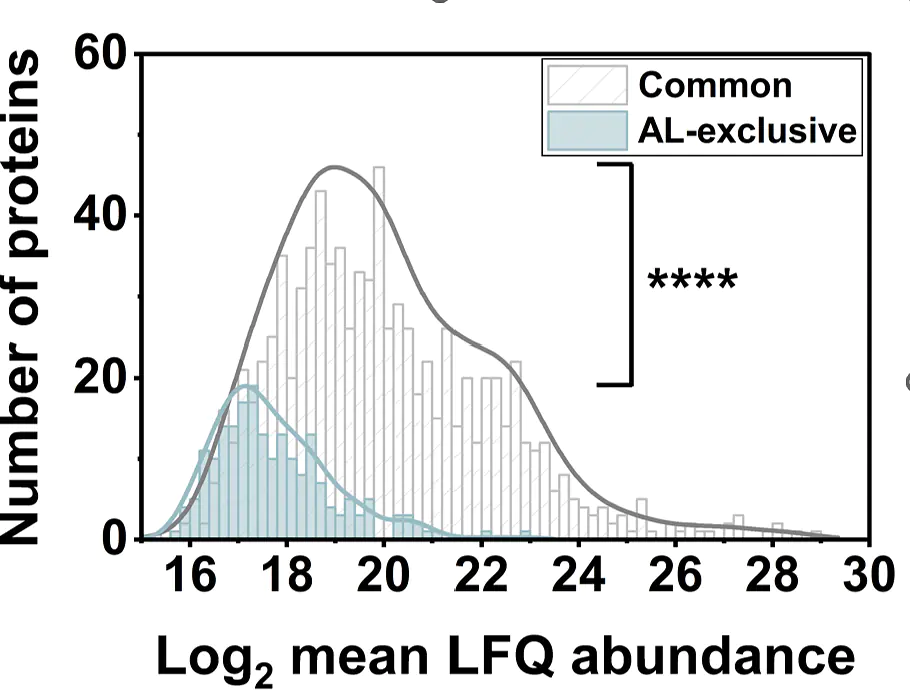
Proteomics lable-free quantfication via container-free (AL) vs Container-based (LPB) 8 hour trypsin digestion.
https://chemrxiv.org/doi/full/10.26434/chemrxiv.15005682/v1
Clinical Proteomics
Stable-isotope dilution liquid chromatography-tandem mass spectrometry (LC-MS/MS) is a highly selective and accurate approach for quantitative analysis in complex biological and chemical matrices. The method uses an isotopically labelled analogue of the target analyte as an internal standard. Because the labelled standard closely matches the physicochemical behaviour of the native analyte, it can compensate for variability introduced during sample preparation, extraction, chromatography, and electrospray ionisation. Quantification is typically based on the response ratio between the analyte and its corresponding stable-isotope-labelled internal standard, which improves precision and reduces the impact of matrix effects and instrument drift. When combined with appropriate calibration and method validation, stable-isotope dilution LC-MS/MS can provide high sensitivity, broad dynamic range, and strong inter-batch reproducibility. It is therefore widely used for the measurement of endogenous metabolites, drugs, biomarkers, environmental contaminants, and other analytes requiring robust and traceable quantification.
We work with clinical collaborators to develop practical methods for more sensitive and more accurate clinical quantification and investigation.
We work with clinical collaborators to develop practical methods for more sensitive and more accurate clinical quantification and investigation.
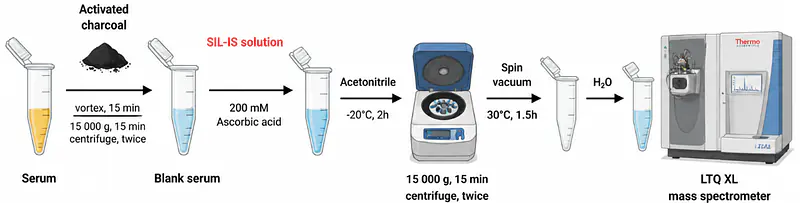
ID-LC-MS/MS workflow
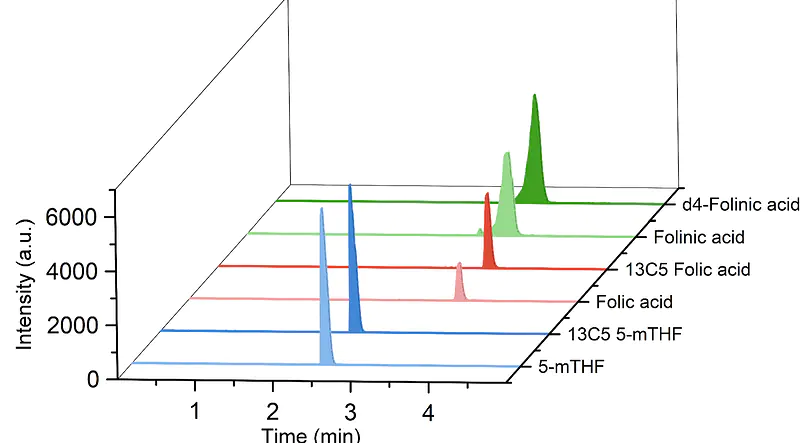
LC-MS/MS chromatogram
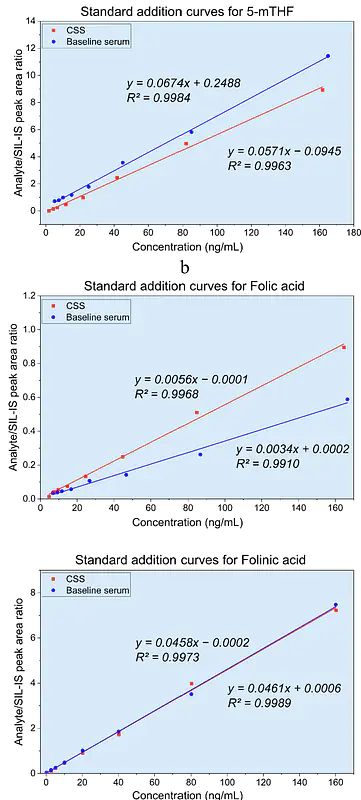
Matrix effect evaluation in ID LC-MS/MS methods
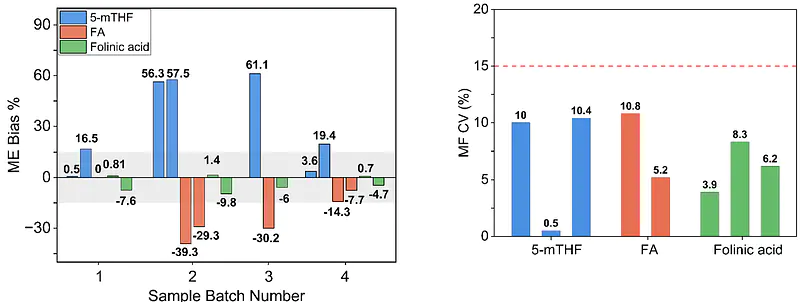
Matrix Biase
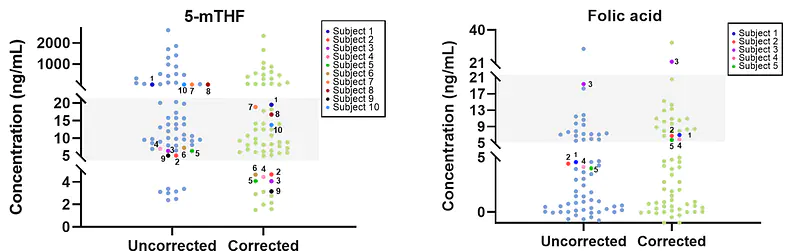
Corrected clinical value
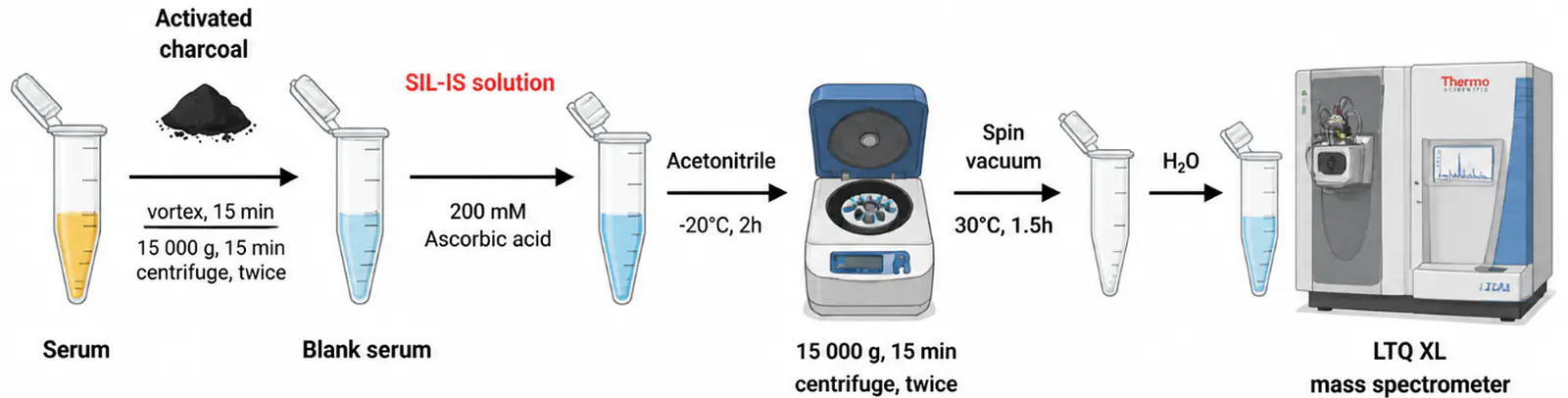
ID-LC-MS/MS workflow
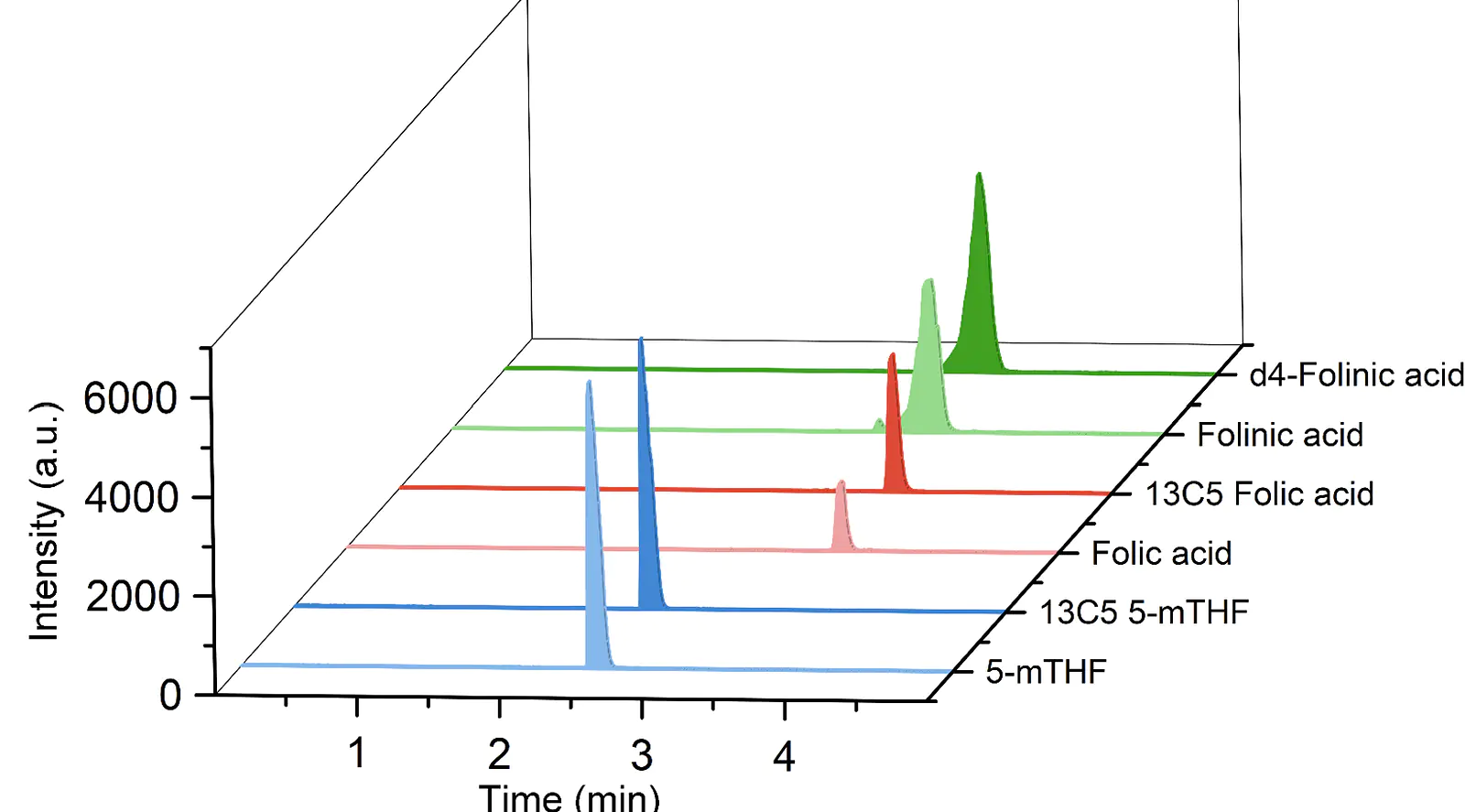
LC-MS/MS chromatogram
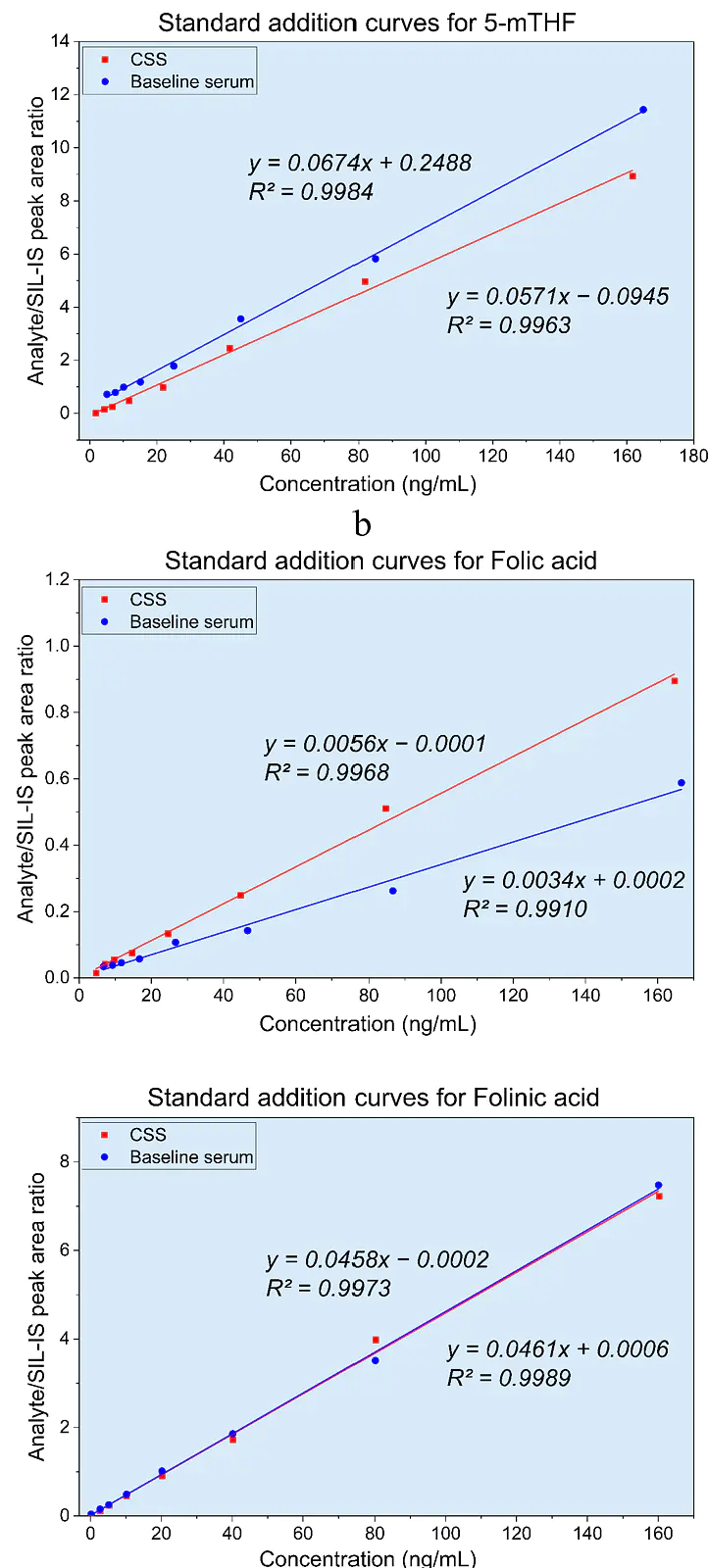
Matrix effect evaluation in ID LC-MS/MS methods
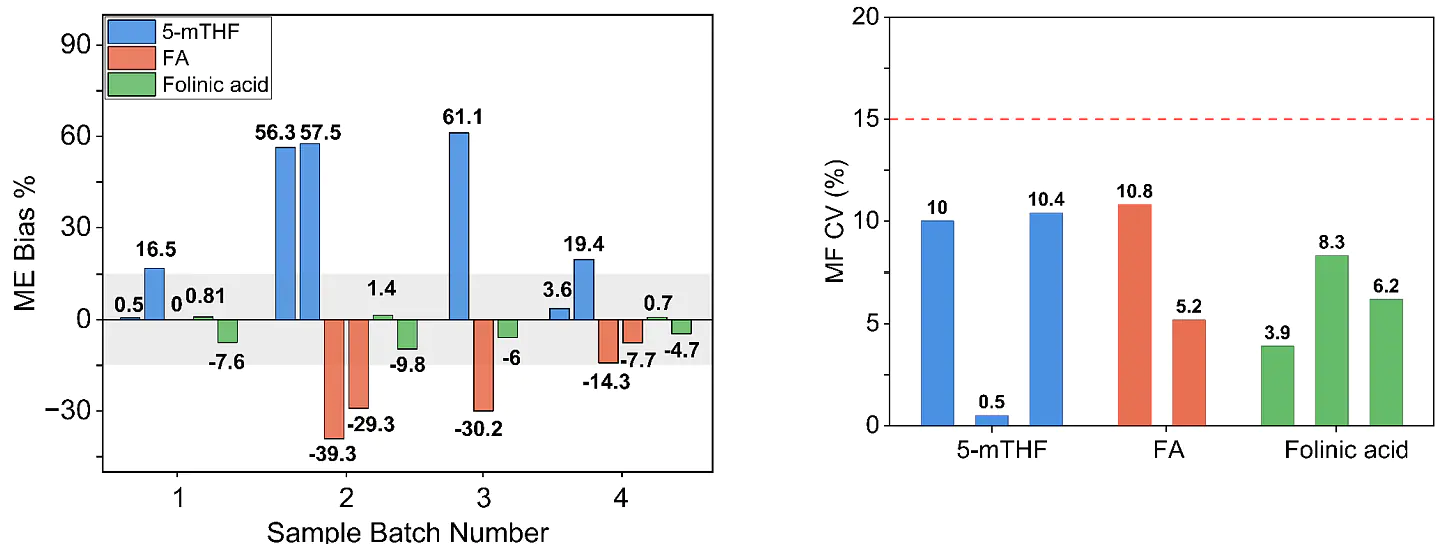
Matrix Biase
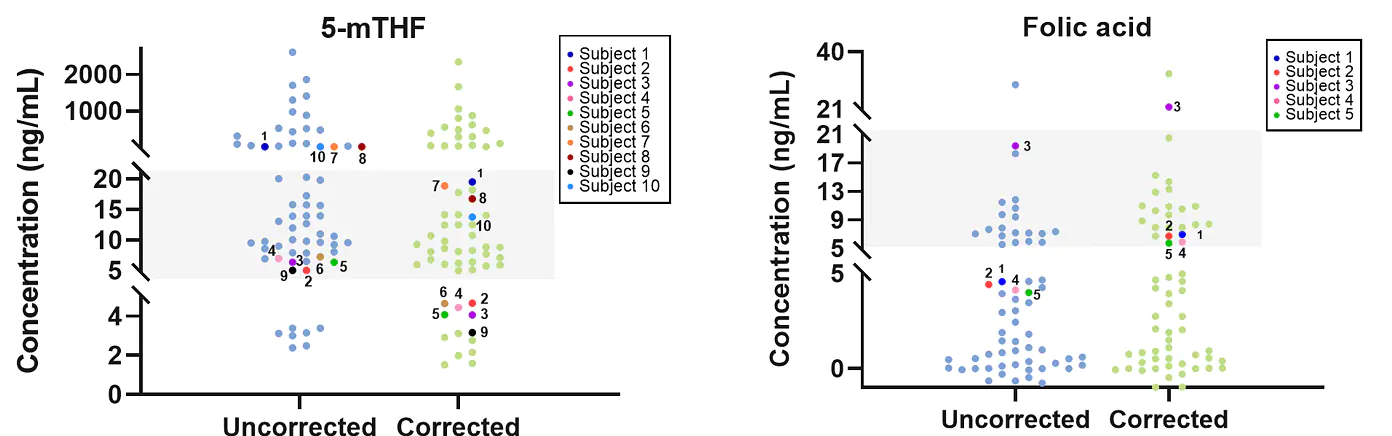
Corrected clinical value
https://doi.org/10.1007/s00216-026-06848-w
Epitope Mapping via Hydrogen Deuterium Exchange MS
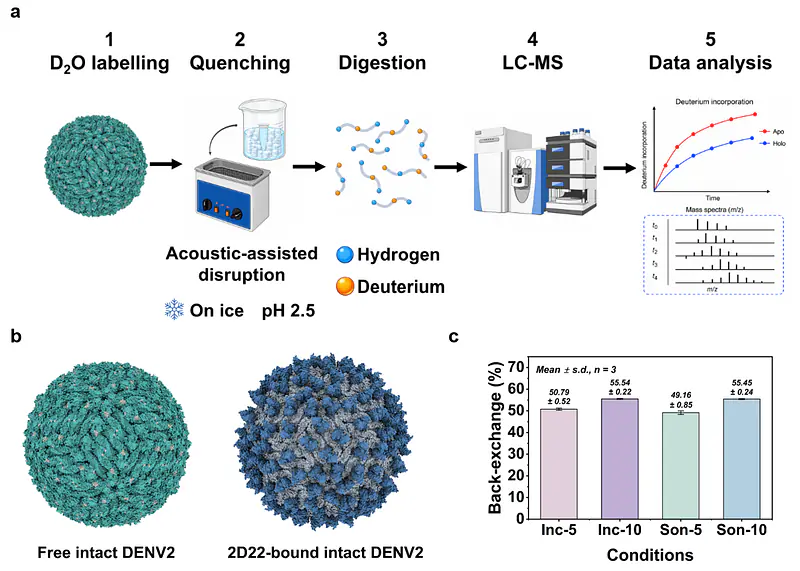
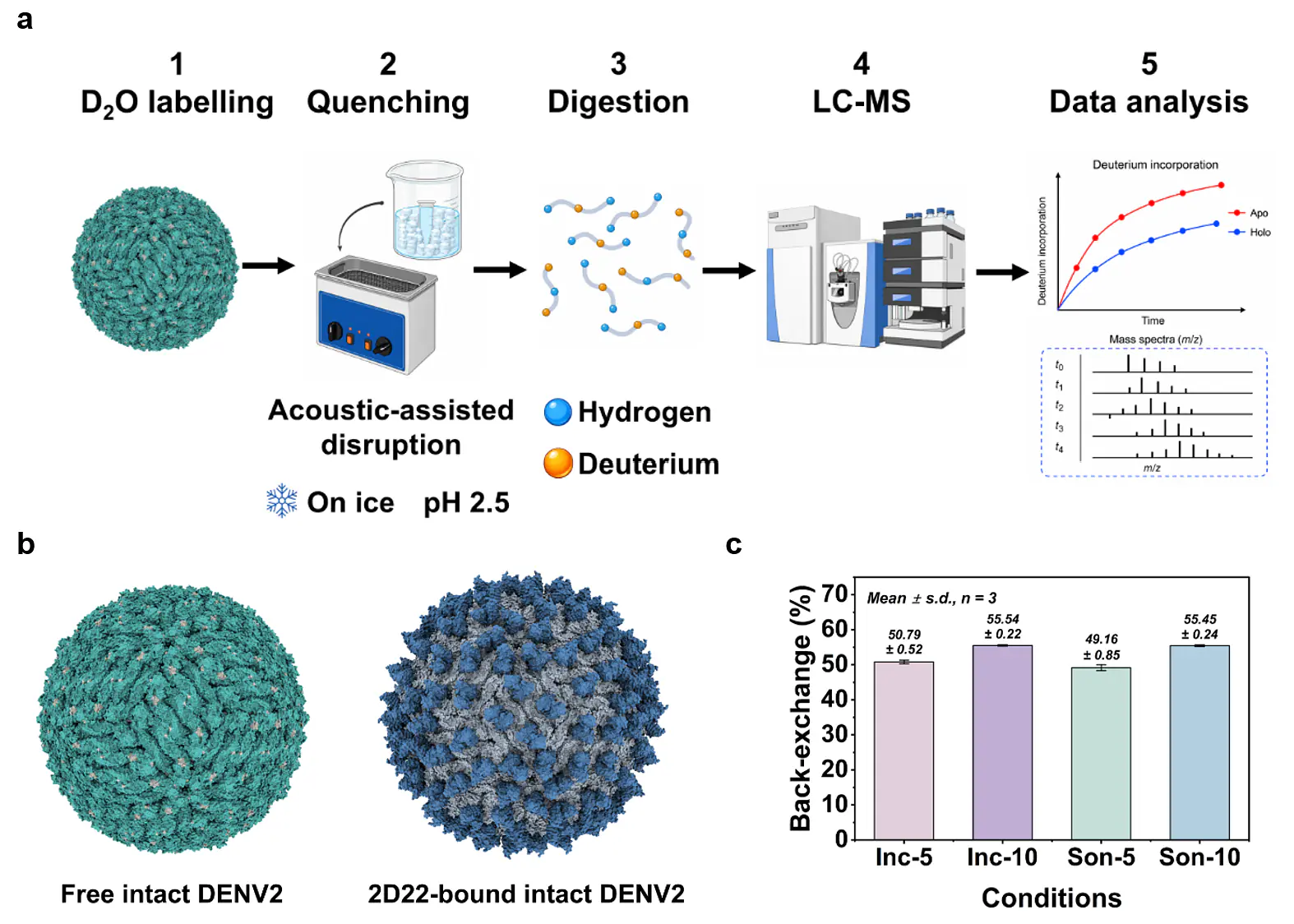
Viruses are conformationally dynamic macromolecular assemblies, making the analysis under intact virion context important for resolving antibody recognition and binding-associated conformational changes. Cryo-EM provides high-resolution structures of virus–antibody complexes, but transient or locally dynamic conformational changes can be difficult to resolve. Hydrogen–deuterium exchange mass spectrometry (HDX-MS) has emerged as a powerful and widely used method for epitope mapping and studying protein dynamics in solution, but its application to intact enveloped virions is limited by poor proteolytic accessibility and incomplete peptide recovery.
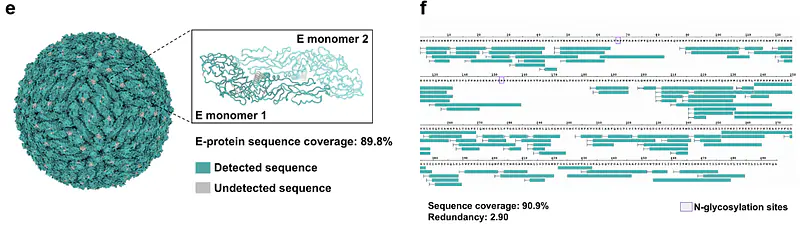
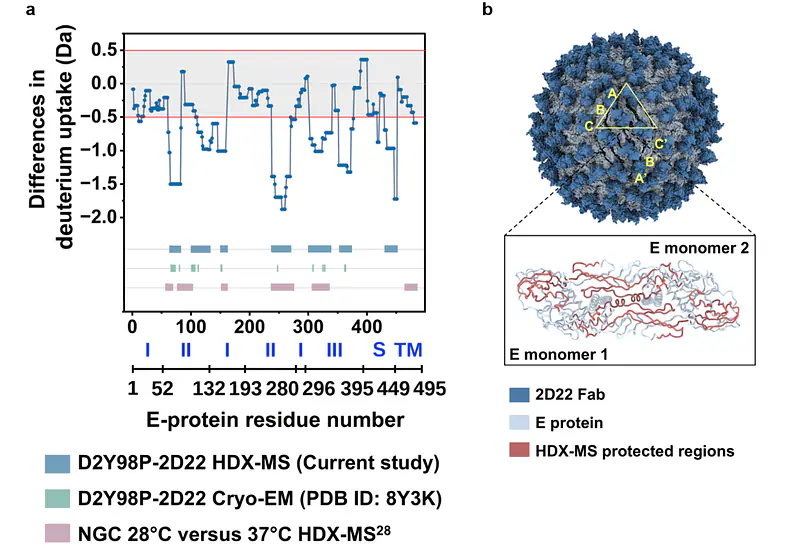
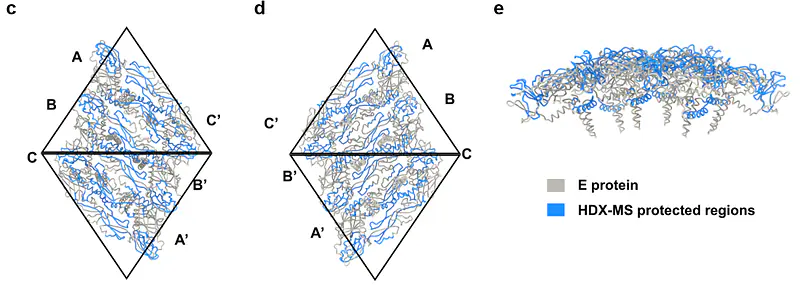
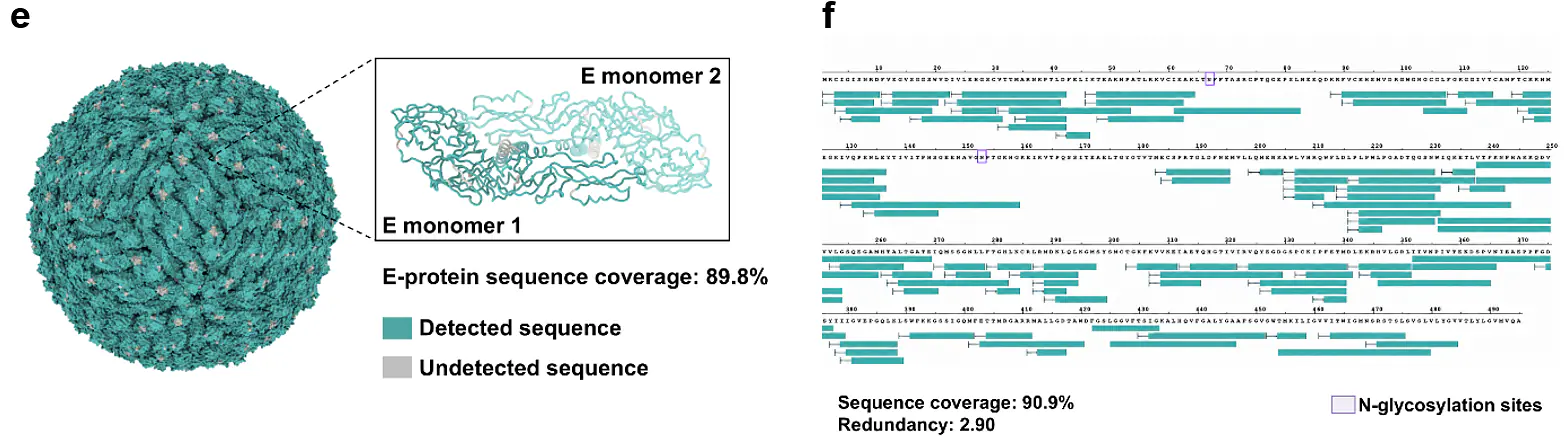
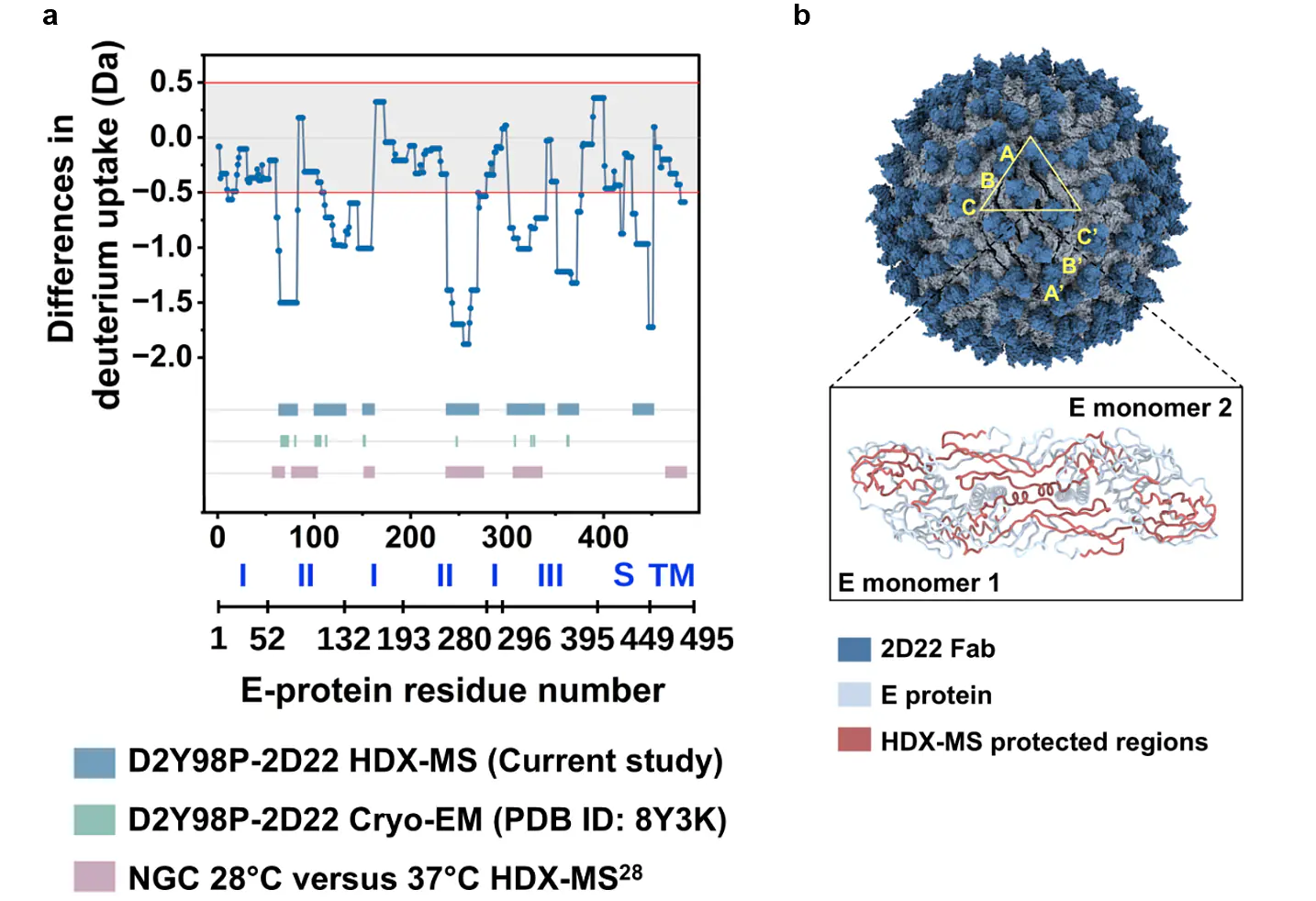
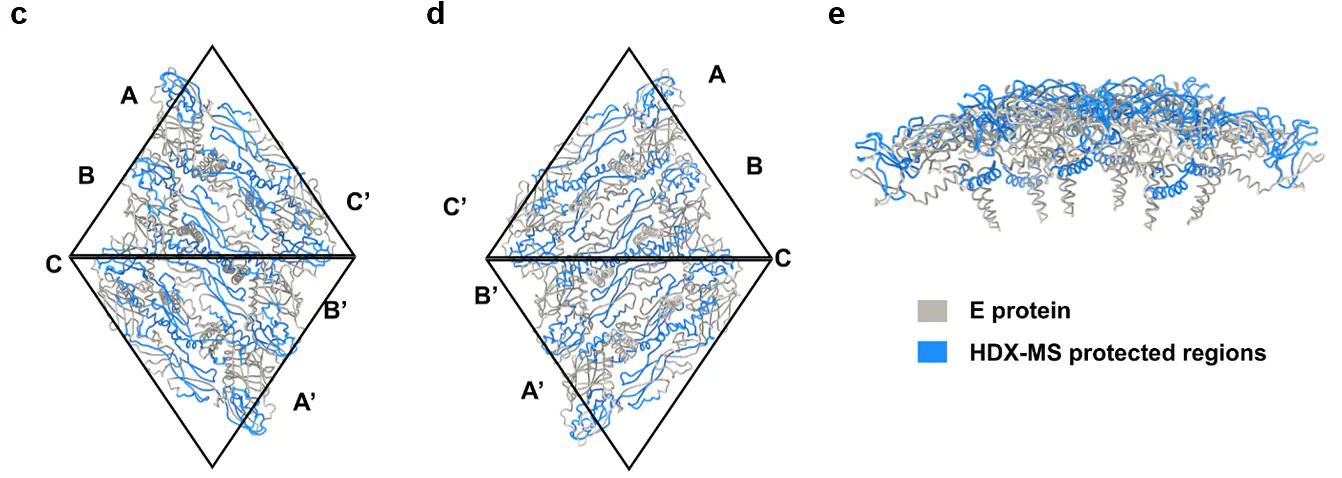
To address this issue, we developed an HDX-MS workflow and applied it to intact dengue virus serotype 2 (DENV2) D2Y98P strain, achieving sequence coverages ~ 90% for the capsid, envelope, and membrane proteins. This expanded sequence coverage enabled comprehensive mapping of HDX-MS measurements onto the corresponding cryo-EM structure.
To address this issue, we developed an HDX-MS workflow and applied it to intact dengue virus serotype 2 (DENV2) D2Y98P strain, achieving sequence coverages ~ 90% for the capsid, envelope, and membrane proteins. This expanded sequence coverage enabled comprehensive mapping of HDX-MS measurements onto the corresponding cryo-EM structure.
Native MS
Native mass spectrometry (native MS) analyses intact proteins and non-covalent complexes under conditions that preserve their solution-like structure and interactions. Using gentle ionisation and carefully controlled buffers, it can determine molecular mass, stoichiometry, oligomeric state, ligand binding, and complex heterogeneity. Native MS requires relatively small sample amounts and can analyse assemblies that are difficult to characterise by conventional structural methods. It is widely used for studying protein complexes, antibody-drug conjugates, membrane proteins, and biomolecular interactions.
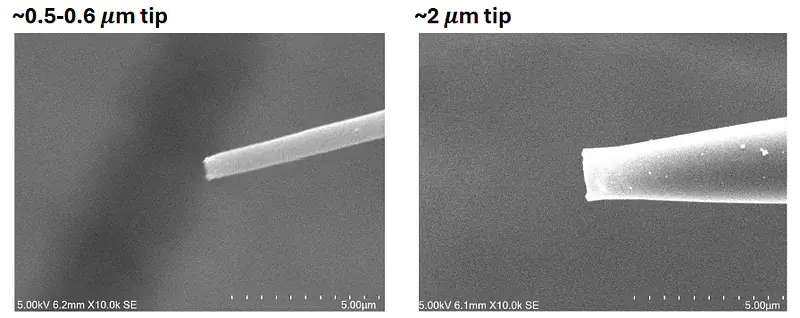
Scanning electron microscope image with a scale of 5.0μm as measuring reference for (A) 1.6μm emitter tip and (B) 0.5μm emitter tip.
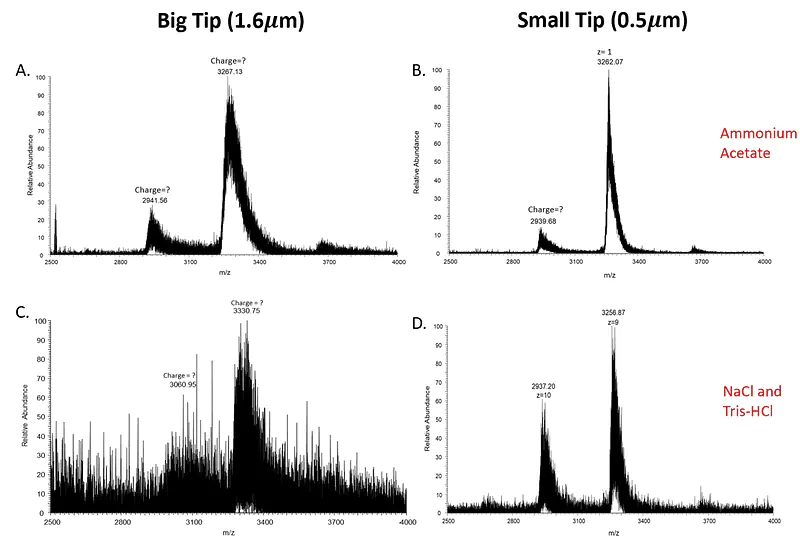
ESI mass spectra of 10μM BCAII obtained formed from (A, B) aqueous 70mM ammonium acetate and (C, D) aqueous 50mM NaCl and 20mM Tris-HCl buffer (pH 7.4) using emitter tips with diameters of (A, C) 1.6μm and (B, D) 0.5μm.
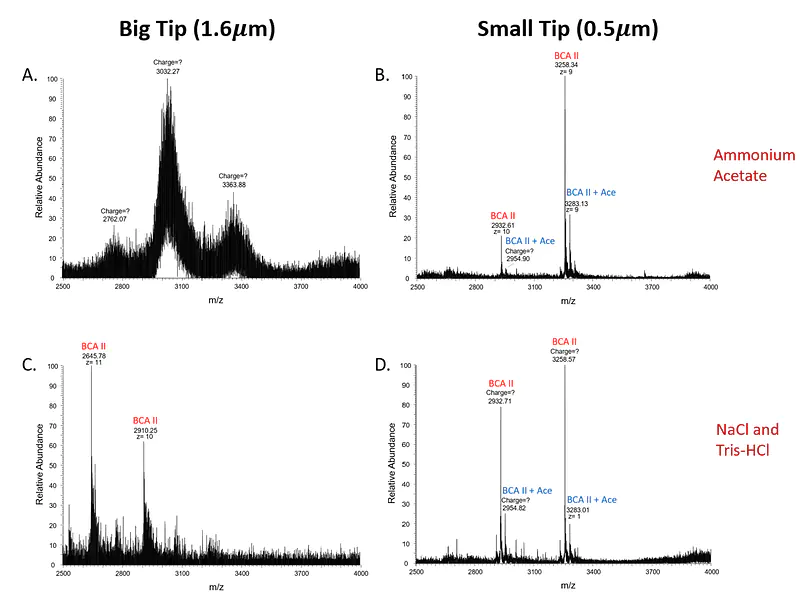
ESI mass spectra of 20μM BCAII and 20μM AZM obtained formed from (A, B) aqueous 70mM ammonium acetate and (C, D) aqueous 50mM NaCl and 20mM Tris-HCl buffer (pH 7.4) using emitter tips with diameters of (A, C) 1.6μm and (B, D) 0.5μm.
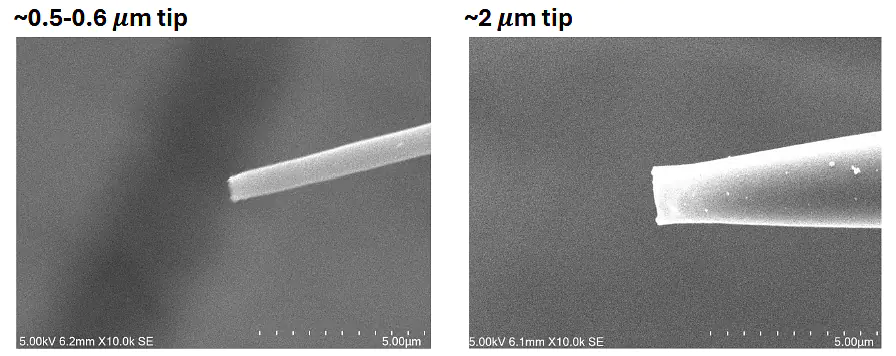
Scanning electron microscope image with a scale of 5.0μm as measuring reference for (A) 1.6μm emitter tip and (B) 0.5μm emitter tip.
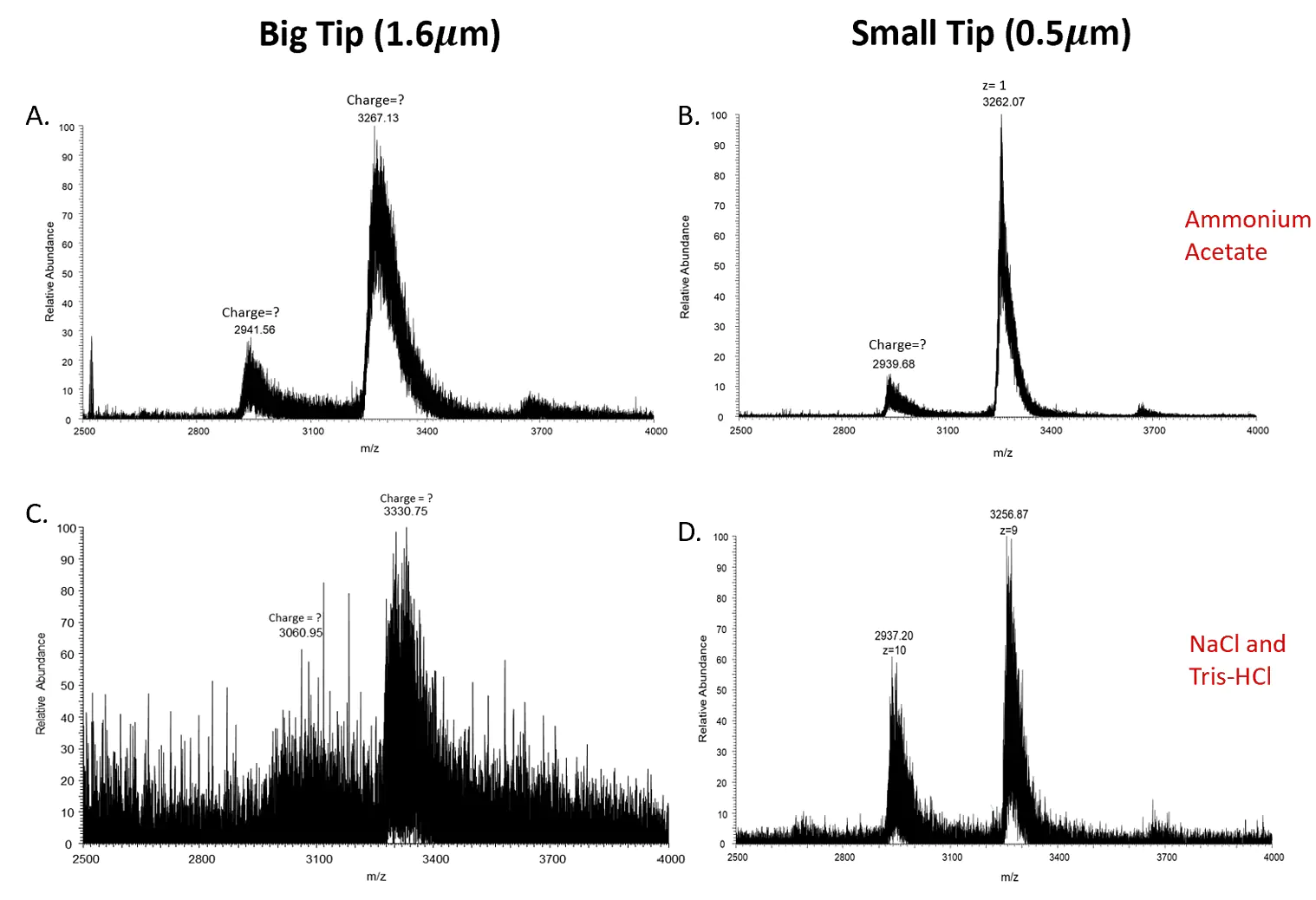
ESI mass spectra of 10μM BCAII obtained formed from (A, B) aqueous 70mM ammonium acetate and (C, D) aqueous 50mM NaCl and 20mM Tris-HCl buffer (pH 7.4) using emitter tips with diameters of (A, C) 1.6μm and (B, D) 0.5μm.
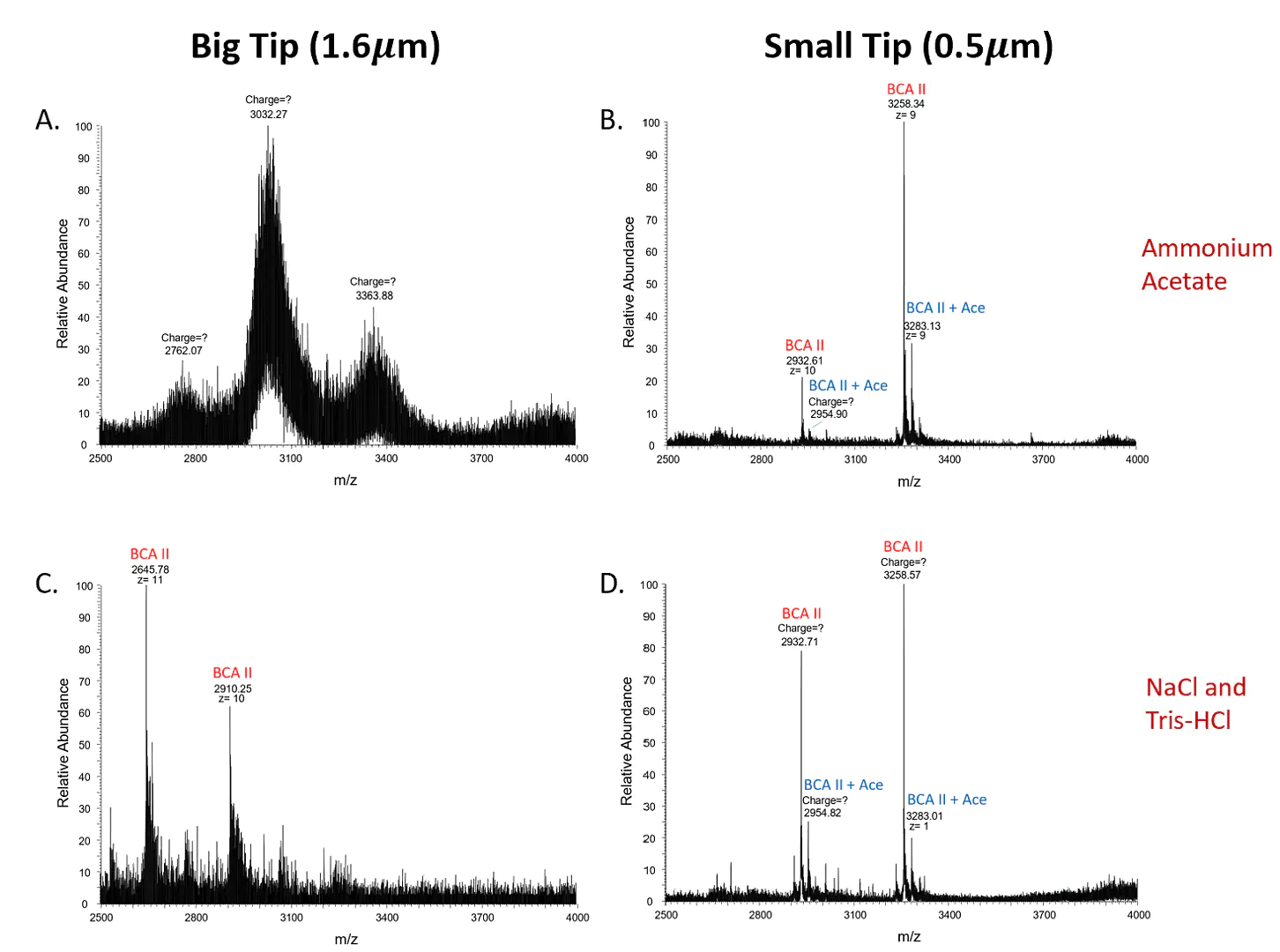
ESI mass spectra of 20μM BCAII and 20μM AZM obtained formed from (A, B) aqueous 70mM ammonium acetate and (C, D) aqueous 50mM NaCl and 20mM Tris-HCl buffer (pH 7.4) using emitter tips with diameters of (A, C) 1.6μm and (B, D) 0.5μm.